David Maguire’s blog
Introduction
This blog outlines my pre-assessment, differentiation assessment monitoring strategies for a Grade 2 who will be introduced to a unit on the simple past tense.
- Recognition of a verb in a sentence.
- Pronunciation of ‘ed’ verbs with the /t/ /d/ or /ed/ sounds (cooked, watched, played)
- Ability to make the simple past with 10 irregular verbs
- Ability to write and answer basic ‘Did questions” Did you eat fruit yesterday? Yes, I did.
Pre-assessment
Grade 2 Pre-test assessment Name: __________ Date: __________
Circle the verbs in the sentences below.
I help my mom every day. I know the answer. She plays tennis.
I cooked noodles this morning. I brushed my teeth. Lucy has two pencils.
Past tense verb sounds
Look at the ‘ed’ sound of verbs below. Do they make a /d/ sound or a /t/ sound?
Put the verbs in the correct box.
opened watched danced stopped
jumped cried played loved
| /d/ | /t/ |
Irregular verbs.
Use the words below to complete the past tense of the irregular verbs.
went came bought had did ate
eat – _________ go – _________ come- _________
buy – _________ have – _________ do – _________
Answer the questions below
Did you eat breakfast? ___________________
Did you play football yesterday? ___________________
Did she drink milk? No, ________________
Did they do study English? Yes, _______________
Advanced Students: Strategies
Differentiation: Zalo Messenger
Zalo is a popular messaging service in Vietnam, familiar to my students. They will pretend to send text messages to a friend using the simple past tense as much as possible. It is a fun activity and a fun way of practicing the simple past. At the end of the lesson the students will read them out to the class.

Assessment and monitoring
Dear Dairy
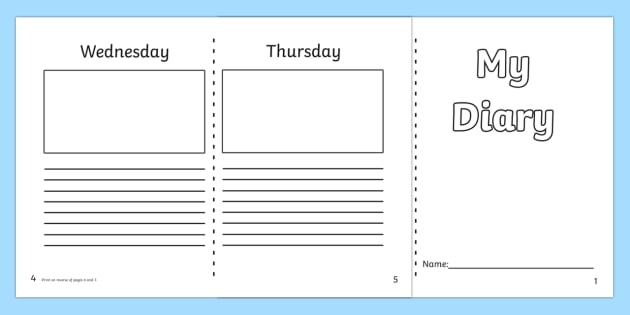
Throughout the week, the 5 strongest students will keep a daily diary of what they do each day. This will be a good activity for them to practice the written form of the simple past. After the first day they will submit to the teacher for me to check if they are on the right course or not. They will then be expected to submit at the end of the week.
Board game
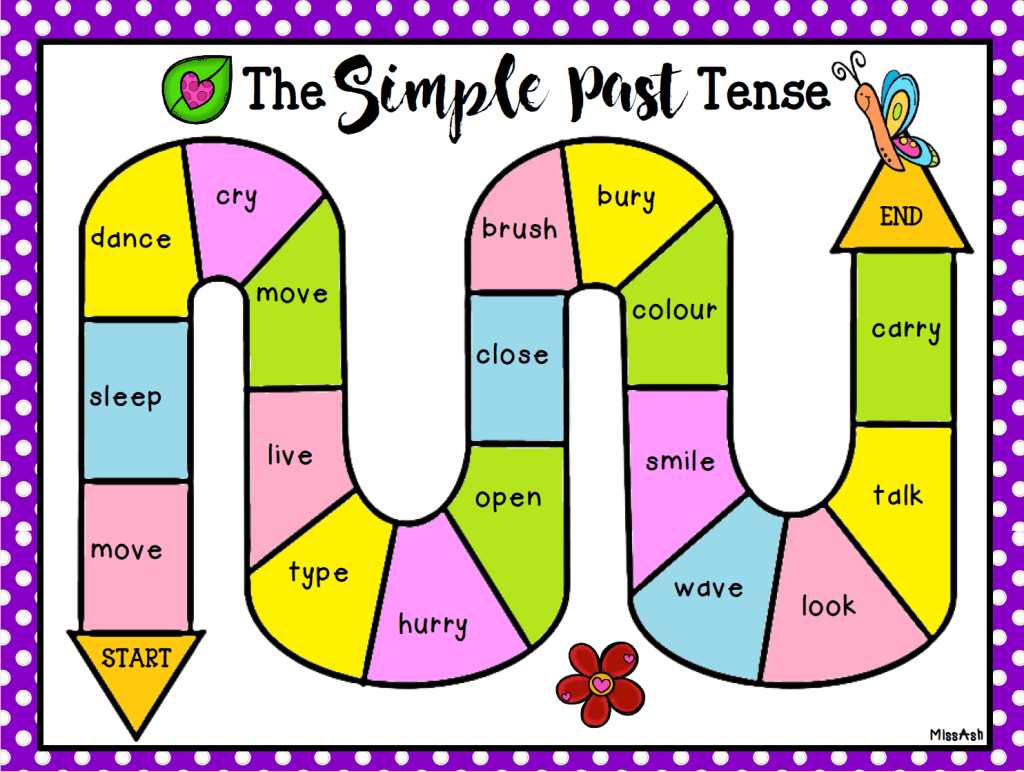
The stronger students will create their own board game, using ‘ed’ verbs with the /ed/ /d/ and /t/ sounds along with irregular past tense verbs. I can check their comprehension and pronunciation as I go around the class.
Formative Assessment
Mid Level Students: Strategies
Differentiation
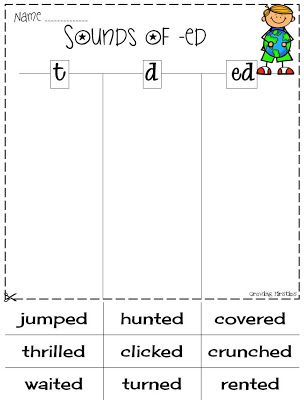
As this group as 12 members, I would break the students up into 3 teams of 4 students. In the first activity they must complete the table using verbs we have studied. Once they have mastered this they can move on to thinking of their own verbs which end in the /d/, /t/ and /ed/ sounds.
Assessment and monitoring
Worksheets and Workbook
Each day these students will complete either worksheets or their workbook based on the simple present tense. I shall check these to monitor the students progress. The worksheets will progressively become more challenging and cover what they have studied in class.
Group activities
This will include working in pairs and in small groups, completing activities and games, such as ‘find the verbs in the sentence’
Formative assessments
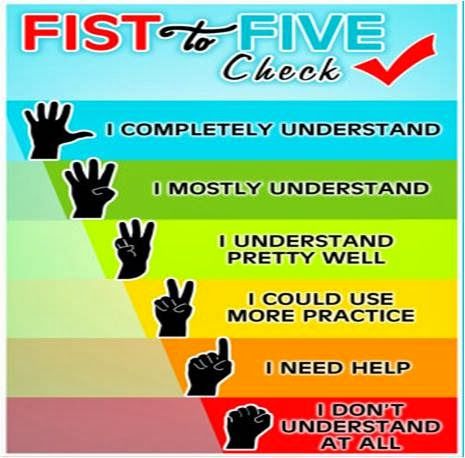
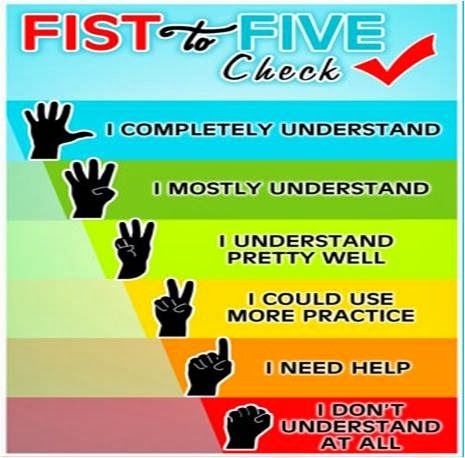
I shall check in with the students progress through using quick formative assessments such as hand signals to check their comprehension.
Weak Students: Strategies
Differentiation: Acting out verbs
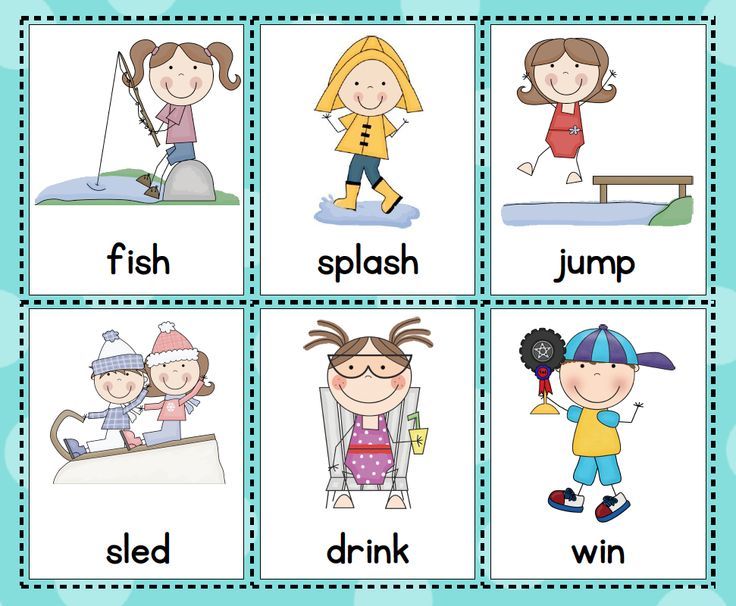
It is important for the weak students to understand what a verb is if they are to have any chance of successfully completing this unit. Therefore they will be provided with a lot of visual examples. Also, I feel that adopting a total psychical response may be effective for the weak students. Hopefully this non-linguistic strategy will help the students to associates verbs with actions.
Assessment and monitoring
Homogenous groups
At the beginning of each lesson, this group will be given revision activities to complete. This will also allow me to gauge their comprehension. I will give the weak group opportunities to work together to do simple past activities together to help them revise and remember, while the other groups work on different exercises.
One-on-one instruction
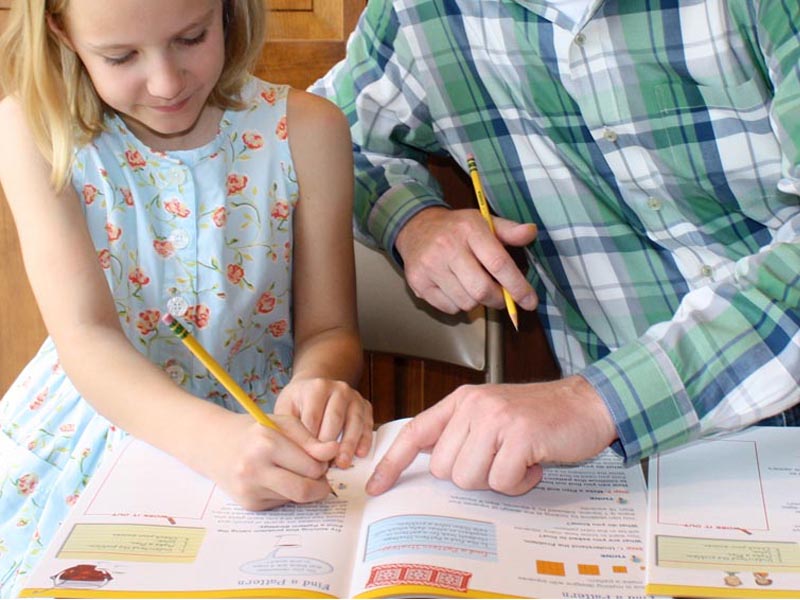
I will speak to each student individually to revise the lesson and check their comprehension. If the student is really struggling, I will use picture cards with the vocab.
Exit-ticket
The exit ticket for these students will be simplified as much as possible. If the students score badly on the exit-ticket, I will revise the unit’s lessons once again. The students will also receive homework in order for them to practice. Parents will be also be encouraged to assist at home if possible.
Formative assessment
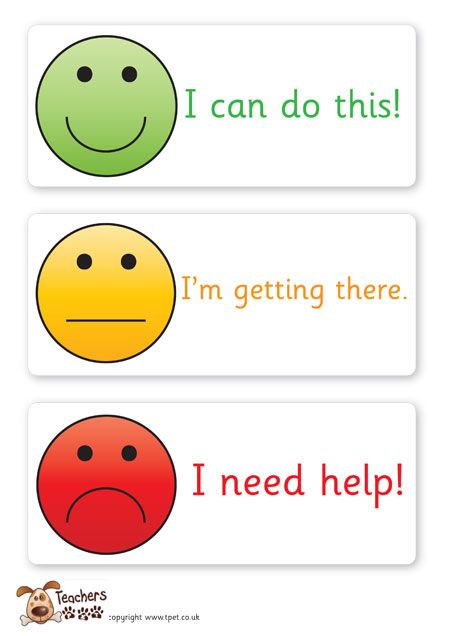
Formative assessment The students in this group will be subject to regular formative throughout the unit. If at any point in the lesson a student does not understand they will be encouraged to use the faces on their spelling to communicate with the teacher.
 David Maguire's Blog